
What to expect from an image-guided procedure
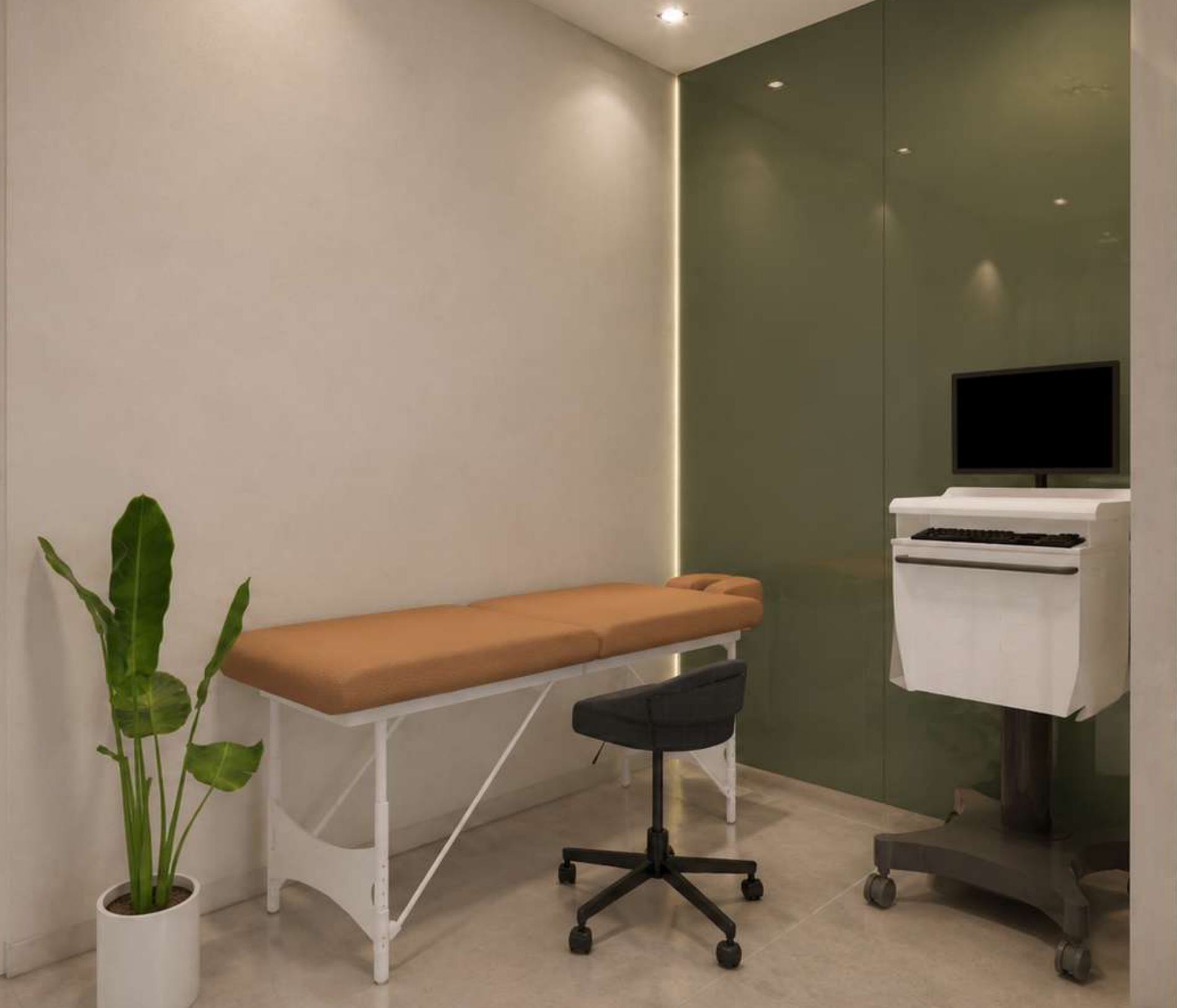
Image-guided procedures are planned around a clear diagnosis. Before anything is scheduled, the reason for the procedure, the expected benefit and the alternatives are explained to you.
On the day, imaging is used so that treatment can be delivered precisely to the intended area. Most procedures are minimally invasive and carried out with local anaesthesia where clinically appropriate.
Afterwards you receive clear aftercare guidance, and rehabilitation is considered part of the plan rather than an afterthought.
Suitability for any procedure is decided case by case after clinical assessment.
Explore in-depth treatment guides and department pathways at Thrive:
Frequently asked questions
Why is imaging guidance important during pain procedures?
Real-time ultrasound or fluoroscopic guidance ensures that the therapeutic medication is delivered with millimeter accuracy directly to the targeted nerve or joint capsule.
Are image-guided pain procedures painful?
Procedures are performed with local anesthesia to numb the skin and tissue, keeping discomfort minimal throughout the brief treatment.
How soon can I return to normal activities?
Most patients return home shortly after a brief rest observation period and resume normal daily activities within 24 to 48 hours.